

What is the best way to grow your market share? What makes your customers decide to buy or not to buy? How do you deliver the best value to your customers?
Unlock the full potential of your products and marketing by discovering what your customers need and value. Use our experts in market research, and market intelligence and our bespoke insight software to optimise your product range for different market segments, to set prices, and to measure satisfaction and purchase intent.
We are experts on techniques such as conjoint analysis, pricing research, econometrics and market models to measure how features drive value and preference and combine with marketing to generate customer sales.
Deeper market insights into customer needs and values
Customers know what they want when they see it but can't always say what they need. Identify hidden drivers using more powerful research tools and sharper thinking such as Cxoice survey and insight software so that you can visualise, unlock and measure and model customers' decision-making processes.
Insights with impact
Deliver business-changing research for customer success using specialist quantitative and qualitative market research and market intelligence. Leverage techniques like conjoint analysis, brand equity research, pricing research, market sizing together with Cxoice insight and survey software blended with data analysis, market intelligence, workshops and hands-on modelling to deliver insights with impact.
In-depth conjoint analysis and trade-off research
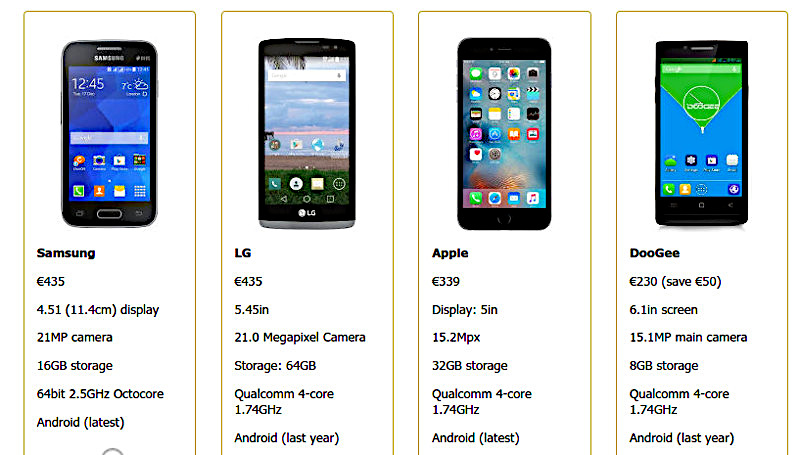 Conjoint analysis and choice-based market research shows how customers prioritise features and price. Try our conjoint demonstration, or try out conjoint analysis on the Cxoice Conjoint Explorer, and explore how product features combine and impact product choice. See how choices can be used to calculate feature value and willingness to pay, and how these are used to drive market models and financial forecasts.
Better surveys with Cxoice Insight Technologies
Do research better with better research. Streamline research processes for faster insights. Ask questions in better ways. Cxoice - end-to-end survey and insight system integrates the process of research and builds on years developing and innovating survey design and outputs. From individual web surveys, to team-based web-assisted telephone interviewing, to automated analysis and project-based knowledge management, Cxoice delivers the insights you need.
We want to help...
We work internationally on projects in UK, Europe and US. We're used to challenging projects often involving leading-edge products and services. Contact us at enquiries@dobney.com, or call +44(0)20 7193 6640, or use our help and advice form.


